Saturday, 24 September 2011

One Man Show

At some point a comedian will have the opportunity to stage a one man show. This could be at The Edinburgh Fringe, a local festival or every few months at a night they have a hand in running, just because. It is useful to have a one man show under your belt, as it looks good on paper to yourself and the festival organisers who are chasing eventual funding (of which you will see precisely none of).
There are a few different ways to approach putting on a show of your own.

1. Pick n Mix - There is an established “headline” act, the title of the evening is that of the headliner’s show, however, there are two or more other “support” acts on before him. This is often to allow someone who hasn’t got an awful lot of experience to later say that they’ve done “a festival” or taken part in it, neglecting to mention they were actually a support act and squandered a twenty minute spot when they can just about fill five competently. The headline act can then usually do well under an hour of his own stuff and hope that the audience doesn’t notice that it isn’t actually a “show” after all, more of a gig with his mates, regardless of whether or not they compliment each other’s styles.

2. Free For All - This approach is at least more honest than the above one. A group of comics come together to put a show on. Usually performing 20-30 minutes each throughout the evening. Again, a credit is taken for doing the festival and also neglecting to mention that they did a bog-standard performance of material you would have seen anywhere else they perform anyway, calling into question why they bothered even doing it in the first place beyond satisfying their own selfdom.

3. "Serious Art" - Billing your show as “Theatre / Experimental / Niche / Etc” gives you a large advantage at a cost. The downside is that you can’t say you had a “comedy show”.  The advantage being that you will attract the type of crowd that approaches everything ever so earnestly - it’s unlikely that they will offer any sort of direct criticism, because as an art/theatre show, it’s up to "each person’s perspective". Thus your show will rarely be described as “unfunny”, because it’s art. As a result, very little effort needs to be applied in this format. Throw in a poem, song or interpretive dance somewhere during the hour and you’re set. More people will promote and discuss your show because it wasn’t billed as a comedy show, yet it made em laugh! Thus it’s much better than any actual comedy show!

    Once you’ve decided on your format, all that you need is a show name, your blurb and a photo. The show’s name should reflect what sort of material or themes you may be touching on, but that doesn’t necessarily apply here. Any old thing will do. It doesn’t really need to make a lot of sense, because chances are you haven’t worked awfully hard on constructing a cogent theme throughout anyway.
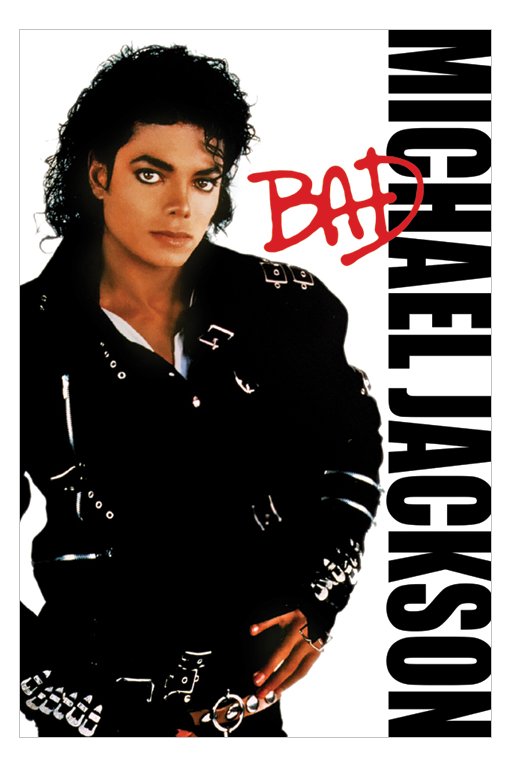
    Example of a bad poster
    Much of your comedian’s blurb can do for the show’s blurb, as it’s (mostly) you they’re coming to see. Make sure to turn up the bullshit factor to 11 though, as you’re probably competing with other comics around the same time. Paraphrase quotes from newspapers about gigs you’ve done, even if it’s a quote you originally gave them about yourself at one point. Use the same techniques you used coming up with your original blurb. The more hyperbole the better, usually.

    For your show’s photo/poster, try to find either the tackiest, nausea-inducing font/colour combination you can get, or the shoddiest, MS Paint style production values and share them everywhere. If possible, make it a chore to figure out what’s going on in the flyer, so punters actually feel obligated to go to it because they spent around a minute and a half figuring out why your face is on a poster.


    And there we have it! A sure-fire guide to setting up your one man show! Always remember to promise more than you can deliver and MAKE ‘EM LAUGH!

    Tuesday, 28 June 2011

    Selling Yourself: Website

    Now that you've established yourself as a hot-property comedian, you need a place where fans and promoters can visit so they can look at you, envy you and contact you. This is where your very own website comes into play. Follow these tips and before you'll know it, there will be an off-ramp of the information superhighway right at your doorstep!

    1. Headshot - Make no mistake; you want people to know that it's your website, so it's preferable to have a large headshot image of you on the homepage. Either looking incredibly smug with yourself for no discernable reason, or looking particularly serious and thoughtful, as if what you do has serious and heavy artistic merit to it.

    2. Achievements - Much like Your Blurb, your website homepage should have as many "achievements" and pieces of extraneous information (which mean nothing to the common punter) awkwardly crowbarred into the introduction as possible, almost as if attempting to grant the entire venture some sort of meaning.

    3. Showreel - It is also useful to have a showreel on your website. A Showreel is a compilation video clip of all your "best bits", intended to impress potential bookers. There's no need to have the clips in a logical sequence, or the clips themselves to have any context whatsoever. Heavily utilise different clip transitions, such as star-wipes.  Make sure you have some popular music playing in the background throughout the showreel, but remember, not so loud as to distract the viewer, but not so quiet that they can actually make out any of the badly recorded and edited clips you are presenting to them.

    4. Quotes - Remember to make use of the various quotes you've gathered and fabricated about yourself in Your Blurb. They can also go on the front page, or in a "Testimonials" section of your website. There's more liberty here to use unverifiable quotes and backhanded compliments to beef up your one-manpowered circlejerk. Always remember to end your quote section with something along these lines:

    "Here mate, thought you were funny." - Some bloke after a gig

    Guaranteed hilarity. This shows the reader that you actually do have a sense of humour and that people do think you're funny. It also displays the fact that you're in touch with the common everyday man; because normal people go around collecting things people have said about them and pay money to have those things displayed on a website.


    5. Facebook - To make sure people regularly visit your website so that your counter steadily goes up, make a "Fan Page" about yourself on Facebook. You can do this after about three open mic gigs. Usually the fan population is made up of closely-related family members of the comic. Science has still not completely deciphered why amateur comics have Facebook pages, but common sense would suggest it has something to do with attention and ego.

    6. Blog - A blog is another useful way of encouraging people to visit your site.  Aggressive and favourable introspection and self-congratulation is the most common use of a blog by a comic. Standard blog posts usually consist of a turgid and rose-tinted account of a recent gig, what they enjoyed about it, how the audience enjoyed it, a skimmed over (usually omitted) admittance of failure of a certain aspect of their act, finally finishing with a wry joke or pun in a faux-cheerful manner and a list of their upcoming gigs, as if anyone was reading. A certain level of self-deprecation usually envelopes each blog post, but is strangely absent from the comic's persona, on stage and off. Also, spell-check is optional.


    So there you go, lots of people checking out hot, hot comedy websites thanks to these tips! Try them out and make 'em laugh!

    Friday, 10 June 2011

    Selling Yourself: Your Videos

    One thing that's certain about comedy behind-the-scenes, is that promoters love watching stand-up videos sent to them by comedians looking for a spot. It can be useful to have a routine or performance recorded, so that the promoter knows what he's in for and can then massively change his opinion by giving you a bigger slot, more money and future gigs!

    Here are some tips for shooting your stand up video.


    1. Crowd - Try to pick a quiet night in the club where there aren't many people about. This ensures that you can be heard over the howls of laughter that you will be generating. Too many people laughing will just drown your gags out!

    2. Director - Ask a friend to record your set. Preferably a friend who quite likes your routine, that way, they end up laughing directly into the camera from behind. This makes it sound like more people were laughing louder and thus reflects well on you. If your friend knows your set well, it can result in them laughing just before the punchline, as they know what's coming. This is useful for promoters as it lets them know a joke is coming and to pay attention.

    3. Framing - Your friend should be able to get a shot that shows you on stage and a part of the audience, perhaps the table at the front. This will allow the promoter to see you wow the crowd with audience interaction while they look disinterested, chat amongst themselves, stare at their phones and scrape their chairs around the floor as they go to the bar.

    4. Length - Record and upload your whole set in its entirety. Don't edit and just upload short taster gags of your routine. The introduction from the MC, the clumsy fumbling with the mic stand and the slow start add an air of authenticity that the promoter will be looking for. Stop yourself from cutting out the failed jokes and slow patches in your short 9 minute 32 second "clip" - the viewer is going on a journey through your stand up. It wouldn't be any fun if it was all laughs, would it?!

    Happy shooting!

    If you're still unsure, here's a good example of what you want to send to a promoter so they can sit through it and watch. You'll be headlining clubs because of your videos in no time!

    Wednesday, 8 June 2011

    Selling Yourself: Your Blurb

    Your "blurb" is one of the key tools of attracting the audience and the attention of promoters. It is a piece of prose ranging from a few lines to 6+ paragraphs about you, your comedy and various quotes from summarily-written reviews or off-hand compliments given to you by an actual semi-professional comedian.

    Shortly before the first ever blurb was written

    Much like the ability to call yourself a fully-fledged comedian, there is no need to hesitate in coming up with your very own blurb - do it after your first gig. Hell, do it before your first gig: it's only going to be mostly lies and self-aggrandising speculation anyway.

    It is important to use adjectives to describe yourself. The more fantastical the better. "brilliant" , "amazing" , "energetic" , "unrelenting" "comic presence", etc. There's no need to have referential evidence of any of these attributes; it's just to get the audience through the doors, money out of their pockets and attention for your own hungry ego. Remember, you're the show.

    The use of clichés in blurbs is particularly common - "blew the roof off" , "leaves the audience wanting more" , "wowed the crowds" etc. It is an odd practice, as all the acts in one line-up can end up sounding exactly the same. It would almost suggest that the featured comics aren't as experienced and successful as one (or they) would assume. Luckily nobody questions this.

    Sticking the name of a better or more well-known comedian in your blurb (without asking) is guaranteed to catch the eye of the average punter (and not irritate the other comedian you mentioned at all). Simply having shared the same stage as the well-known comedian throughout the course of one night, is enough to say you "supported" him or her. Incidentally, there's no need to actually go on directly before him/her or be asked specifically to support them (by say, their manager/agent), or even get paid for it. You supported them, and that's that!

    Also, remember to ask the more successful comedian what they thought of your set (even if they didn't see it or pay attention to you, which is likely). If they said "I liked it" , "That was OK" , "Stop bothering me", feel free to translate that into whatever delusional persuasion you happen to be of. Something along the lines of "Excellent and unstoppable comedy steam train!" should do. Remember to attribute the particular quote to them all the time.

    Always check if there is a reviewer in at the gigs you do. This can be a handy opportunity to get a quote to use for your blurb that may not be as devastatingly obvious that you wrote. The quality, circulation or notoriety of the publication they write for is irrelevant, so long as the review is positive. Ensure this by being overly friendly with the reviewer, buying them drinks, etc. Although research would suggest that reviews are merely the opinion of one person, and do not reflect the overall feeling. Make sure that the review corresponds with your overall feeling.

    You are now ready to write your blurb! Some people may find it difficult to write about themselves, so an aid is provided below. This usually proves to be a good technique, so long as you are honest.


    Monday, 11 October 2010

    How To Be an MC

    "MC" stands for "Master Comedian", he's the guy who holds together the evening, starts the show, ends the show and introduces the acts. Other duties may include:
    • Deciding how much money an act gets paid at the end of the night, based on door takings/the personal relationship between them
    • The running order of the evening, based on the acts style, content, length and the personal relationship between them
    • Flashing the acts on stage to let them know they are going over their time/bombing on stage/making stage time for a comic friend of his who is not on the bill, yet will get more time than you

    "Flashing" is a technique used by MCs to get acts off the stage by flashing a light from the back of the room or side of the stage. Unfortunately, much like the crime act of the same name, it's rarely executed with the intended subtlety, and also like the crime, its recipients usually experience anger, disgust and confusion upon its occurrence.
    "Time's up"

    TRIVIA - Famous MCs include Hammer, Donald and Fly.

    Good MC


    If you have worked your way up to MC status in a club, or started your own one and taken the role despite lack of stage presence or material, then there are a few things you need to know.

    1. You are the show

    Even with a comedy night with three acts on the bill, you are going to be up on stage at least four times (not including intervals). Use these spaces in-between acts to go through some of your material. If you have half an hour worth of material, break it down into chunks to slot around the acts. The resulting bite-size comedy will suit perfectly and not seem crowbarred in, it may even seem refreshing because in number 2...

    2. Introductions

    You are in direct competition with all the other acts on that night. Why give the other comics a leg up and run the risk of being forgotten as "that guy between the good comedians" at the end of the night? Pre-empt the acts by giving them a bad introduction. Some angles are:
    • Getting their name wrong - This will initially throw the comic and force them to make a tough decision: Do they quickly attempt to correct you as soon as they get up on stage, potentially blowing their first gag in the process and generally ruining their flow? Or do they battle on anyway, under an incorrect name? 9 times out of 10 the comedian's ego cannot handle having the audience not know what their correct name is. If they question you afterwards, blow them off with a "poor handwriting/can't read well/got confused in the spotlight" excuse.
    "Next up we have Frank Mahmmfppft!"
    • Saying their catchphrase/punchline - This is especially devastating when this is used against a comic who has a tight routine with a great pay-off. If you blow the gag in their intro, then the end of their routine will go down like a lead balloon.
    "And now please welcome to the stage Kevin "I've Got Three Nipples" Jones!"
    • Their history - Mentioning a past endeavour or event of theirs that they had hoped the audience had long forgotten about is a great way to inspire instant hatred from the punters. A TV appearance, sexual inadequacy or a past unconvicted manslaughter charge is a great way to get the audience murmuring at the start of their set. The comic will then have to make the same decision made in point 2 as whether or not to explain or just continue on.
    "Fresh from prison, please welcome Sean Miller!"

    3. Outros

    This is a good way to kick someone when they're down - if a comic did average to particularly awful, it can be quite effective to snigger/smile broadly/wink at the audience whenever you come back and take the microphone from them. Repeating a failed punchline of theirs will garner a good response from the audience. Remember to do something similar at the end of the night when you ask the audience to give a round of applause for the acts they've seen.


    With these tips you will soon become the Master MC (Master Master Comedian)! Get online and start designing your t-shirts, coffee mugs and tote bags now! (order in bulk for reduced prices.)

    Monday, 23 August 2010

    Your First Performance - Part 2

    Now that a crowd's in attendance, you need to get up there and make them laugh. Simply going through your prepared five isn't enough to ensure future Christmas DVD sales! Here are a few tips to enhance your first performance and have them rolling in the aisles (from laughing).

    1) Microphone - Like most things, you can have it either in or out. Keeping it in the stand leaves your hands free to distract the audience, hold your set list or simply keep in your pockets. With the microphone in the stand, you can move the stand around itself while still talking into the mic. This ensures you look really laid back, almost as if you don't care about the audience - and just right too!

    Removing the microphone from the stand allows you to move around the stage more while still talking (also good for distraction). The preferred technique for holding a mic is to keep it resting against your stomach, while talking at a normal volume. Some critics say this technique prevents the audience from hearing what the performer is saying. However, science has proved that the sound of your voice comes from your stomach - and you can't argue with science!

    Science
    2) In-jokes - Given that you have a home crowd there with you (most likely on the front row too), they will be able to hear your performance fine. However, some Sell Outs at the back of the club may not. It is important at this point to begin telling in-jokes about people in the crowd you have brought. This ensures huge laughter and applause from your crowd, and even more confusion from the other comedians, which no doubt will help you out in the long run. So long as people are laughing, then there's no problem!

    3) Timekeeping - If your crowd is performing as they should, then there's no reason not to go over your allotted time. After all, if you're making everyone (most people) laugh, then it'd look very unprofessional for the MC to stop you in your hilarious tracks. Even if you only have five minutes of material, it might be a good opportunity to ad-lib.

    Ad-libbing is a technique that is used when a performer decides that their prepared material isn't going as well as they had previously thought or they've used all their material already. Simply pointing out audience members/inanimate objects/recalling irrelevant memories is the best way to work here. Holding back due to race, gender, sexuality, etc is not required, as the audience know that this is you flying by the seat of your pants and your words are untapped comic gold spilling forth. When you get into ad-libbing, it's hard to go wrong; it's a month of birthdays, you are the second coming, you found all the Chaos Emeralds.

    Pictured: Comic Genius


    If you end up going to twenty minutes when you were only originally given five, then the promoters are more than likely going to be very keen on giving you a longer, paid slot!

    Keeping these nuggets in mind when you first get up to perform will be invaluably valuable to your comedy career! You'll be ordering vanity licence plates in no time!

    Sunday, 15 August 2010

    Your First Performance - Part 1

    You've got your first five minute spot on stage, you've got the killer material and now you're ready to hit the stage and become a comedy sensation. But wait, there's still some preparation to do!

    Getting YOUR audience


    Sure, the gig promoter may have done some advertising and generated a buzz for the evening through posters, the internet and ineffectual flyering twenty minutes before the gig, but who knows if that crowd will appreciate your comedy.

    Encourage a group of friends and family to come to your gig. Not only does this guarantee a good amount of the crowd will be laughing at everything you say, regardless of quality, it also means you can utilise them in other ways for your own benefit.

    1) Alcohol - Ensure your crowd has had a few beforehand, this helps them lose their inhibitions and increases rowdiness, which will come in helpful for the following tips. Suggest that the gig is a "pre-drink" event before you all go out to a greasy nightclub to celebrate your crippling success on stage earlier.

    2) Silence/Talking - Depending on what sort of appropriately obnoxious friends you've dragged along, it's best to get them to ignore the other comedians. If they sit there in complete attentive silence, it may unnerve the performer and he'll leave the stage early. If the performer can hear a slight droning in the background due to your friends talking throughout his act, he may become irritated and shout at the audience. Both benefit you.

    3) Heckling - If you can make the other acts look bad, then you'll come out on top. Advise your friends that comedians appreciate heckles and it helps them along with their act. Drunken, lonely women who don't go out very often tend to work best here. Sporadic, one-word insults shouted at the comedian in the middle of a joke are quite effective also.

    4) Leaving - The best way a crowd can work is if you can engineer it so that they arrive in large numbers shortly before you go on and then immediately leave after you're finished. Not only does this guarantee to kill the atmosphere, it shreds the next comedian's performance while loud, drunken people chat, finish their drinks and scrape chairs around the floor while exiting.


    Pull the above off and you'll have promoters and comedians clamouring around you, giving you stage time and buying you drinks! Congratulations! You've made it!